TL;DR
Slept great again. Woke up at 5am had some coffee. I had 2 loads of laundry to do and then hit the gym and sauna. Got my laundry folded and hung up right away. We had a calmer/slower yoga session that matches the vibes of the morning – it was raining. I met with my case manager to start talking about plans for once I complete the residential program. Got some blood taken and met with the doctor for some med changes. Ended the night with an AA meeting in Bay Ho – it was a better format than previous meetings we’ve gone to around San Diego. I called it an early night around 10pm.
Start of the Morning
5:00 AM
Woke up at 5am. Did about 2 miles on the treadmill and then some time in the sauna. I also needed to do laundry and got all my laundry done in 2 loads and folded before the first meeting of the day.

Morning Reflections
8:00 AM


Yoga
9:00 AM
This was my 3rd time doing yoga. It was a slow and gentle day since a lot of people weren’t feeling so great. Did a lot of breathing techiniques and stretching.
Medical Appointment
10:15 AM
Met with the doctor again. Gabapentin was changed from 300 mg twice a day to 900 mg three times a day. He also had me start Naltrexone now that the Valium taper is complete.
Case Management
10:30 AM
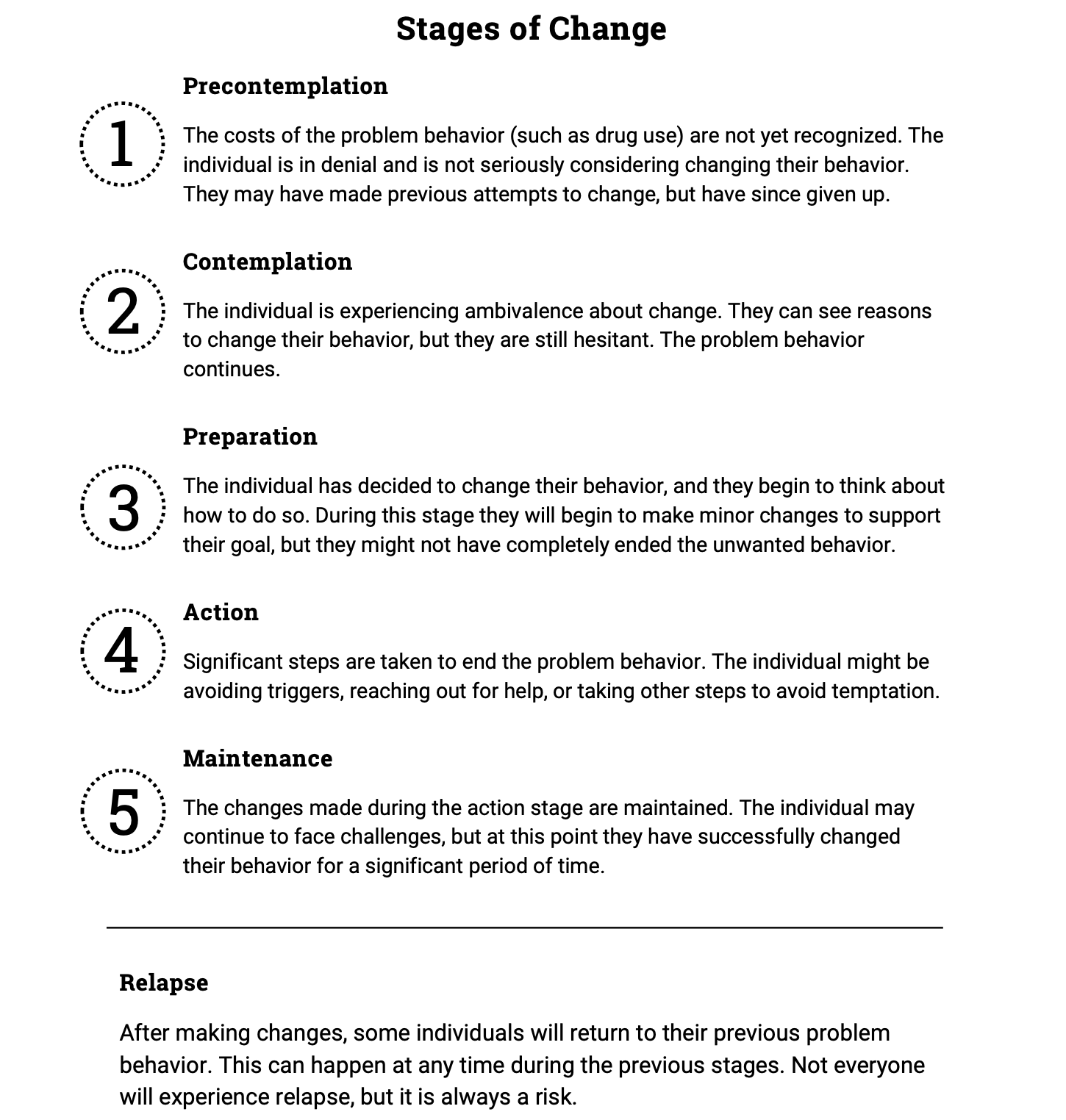
Had a one on one with my case manager to talk about preparing / thinking about what the next steps are after my 30 days here. Orginaly my plan was to go back home and resume my normal life, but to be successful the reovery process takes about 90 days. I broke down the recovery spectrum below. My plan is to move into sober living and go into a PHP for month and then into an IOP.
From what I understand, most PHP and IOP programs have sober living connected with the programs so you live with the same people you go through the programs with. There are some separate sober livings options that are very expensive and work with some PHP and IOP programs but it is a lot more complicated and most programs prefer you live in their sober living environments.
My case manager gave me a ton of information and places to look at. I am thinking of just staying in the north coast area… but it could also be a cool opportunity to live in University Heights or Downtown San Diego for a bit. She also recommended a sober living in San Juan Capistrano.
The Recovery Spectrum
1. Residential Treatment (Inpatient)
This is the highest level of care. You live at the facility 24/7, providing a complete break from the triggers of your daily life.
-
Intensity: Very high. Your entire day is structured with therapy, groups, and medical monitoring.
-
Best for: People in early recovery, those with a high risk of relapse, or those who need a safe environment to stabilize after detox.
-
Duration: Typically 30, 60, or 90 days.
2. Partial Hospitalization Program (PHP)
Often called “Day Treatment,” PHP is the middle ground between living at a facility and going home.
-
Intensity: High. You spend 5–7 days a week at a clinical center, usually for 6–8 hours a day.
-
Living Situation: You go home (or to a sober living house) at night.
-
Best for: Those who have completed residential treatment but still need a full day of clinical support to stay on track.
3. Intensive Outpatient Program (IOP)
IOP allows you to maintain a “normal” life—like going to work or school—while still receiving significant professional help.
-
Intensity: Moderate. Usually 3–5 days a week for about 3 hours per session (often in the evenings).
-
Focus: Heavy emphasis on relapse prevention, coping skills, and building a support network.
-
Best for: People transitioning out of PHP or those whose addiction is caught early enough that they don’t require 24/7 supervision.
4. Outpatient Program (OP)
This is the least intensive clinical level of care.
-
Intensity: Low. Usually consists of one or two therapy sessions (individual or group) per week.
-
Focus: Maintenance and ongoing check-ins.
-
Best for: Long-term recovery management.
5. Sober Living (Transitional Housing)
Unlike the others, Sober Living is not a treatment program; it is a living environment.
-
Intensity: Varies. There are no “clinical hours,” but there are house rules (curfews, drug testing, chores).
-
Purpose: To provide a safe, substance-free home while you attend PHP, IOP, or work.
-
Best for: Anyone who doesn’t have a stable, drug-free home environment to return to.
Lab Work
11:30 AM
Got some lab work done, mostly liver, kidney and various other panels the facility ordered. I had a check list sheet of other stuff I could add. I think I added TSH and vitamin D to the list. We had to fast for this blood draw… which I only remembered after doing 2 miles on the treadmill so I was hangry by 11:30am.
Lunch Time
12:00 PM
It’s the chefs “sunday” and with everyone running around in various case management, medical appointments, therapist meetings and various other stuff, they ordered Leucadia pizza and salad.
Creative Expressions
1:30 PM
This session was mostly focused on internal and external triggers, coping strategies and replace prevention planning.
More Treadmill Time
3:00 PM
Had some free time and went back to the treadmill for another 30 minutes.

Life Skills in Recovery
4:00 PM
In this session we talked about what are core beliefs.

Reflection / Recovery Meeting
6:00 PM
We went to a Women & Alphabet Mafia only AA meeting in Bay Ho. I really liked the structure and format of this meeting compared to some of the other meetings we have gone too. I connected with 2 guys that also go to the crown point meetings on Sundays.
In this meeting we go through the Big Book paragraph at a time and have discusssions and cross talk related to what was just read.
Dinner
8:15 PM
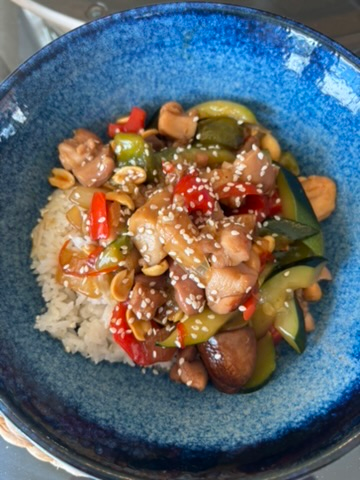
In order to make the AA meeting, we had to leave early and have dinner when we got back. I got the pad thai with spring rolls.

Evening Time
9:00 PM
It was a long day. I went to bed early at 10pm.
0 Comments